PBL (Project-Based Learning)
PBL is a signature academic program at our school. Project-Based Learning has long been a tradition at Haidian Foreign Language Academy. Moving beyond conventional lecture-based instruction, we adopt a student-led model with mentorship from faculty advisors. Students conduct research independently or in small groups. Along the way, they teach themselves new knowledge, think critically, review literature, carry out in-depth investigations, and write research papers. In this process, students shift their identity from learners to scholars. They engage in academic discussions with mentors and immerse themselves in scholarly inquiry.
This experience strongly fosters their creative thinking, critical thinking and collaborative skills. It allows them to dip their toes into potential future majors and extend learning far beyond the classroom.
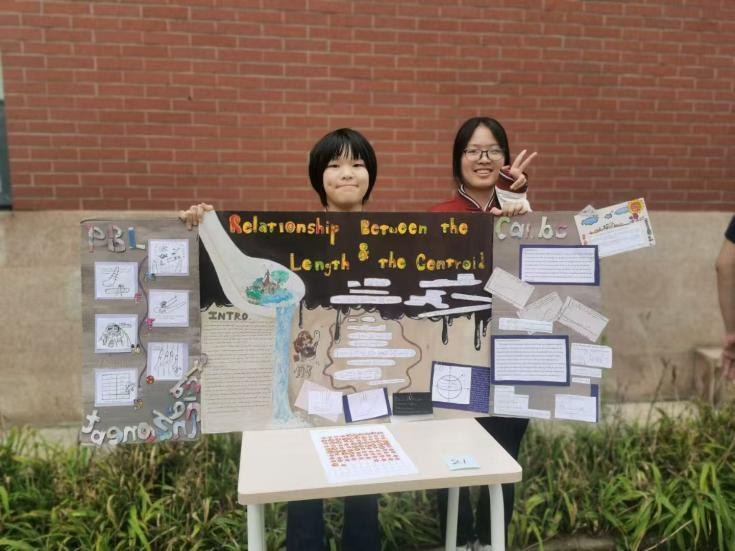
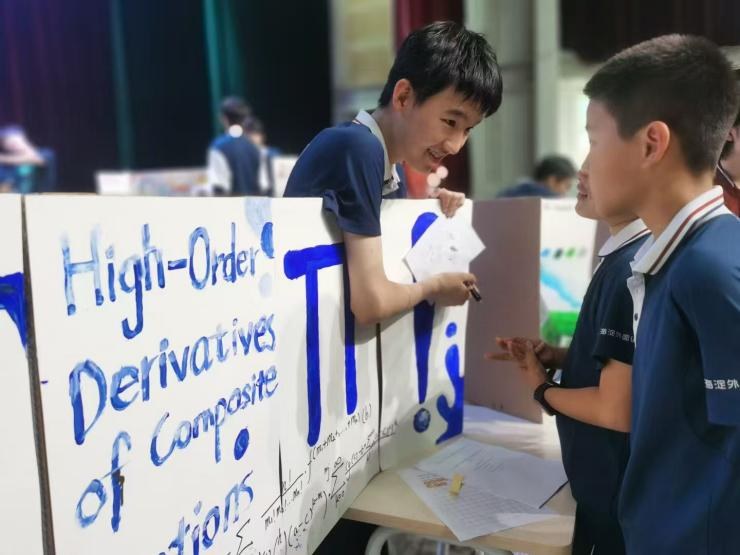
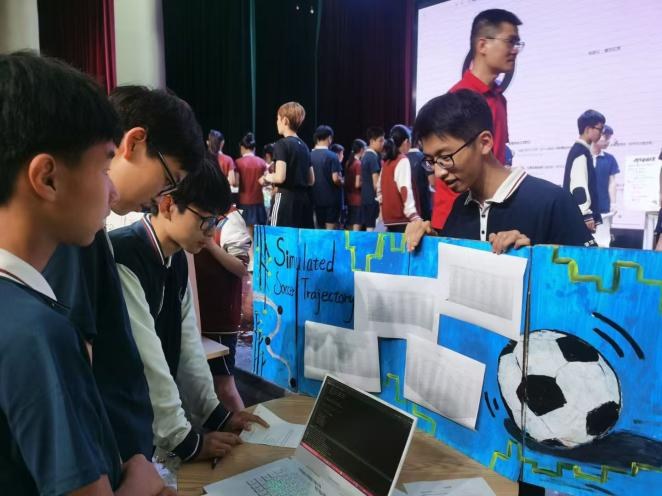
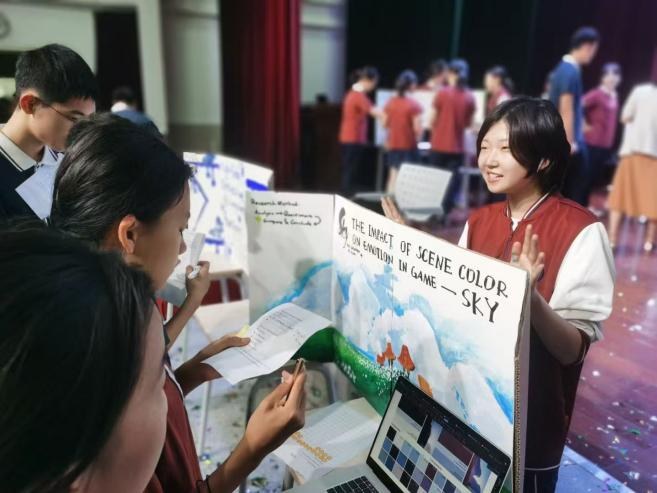
Our PBL program also hosts a school-wide exhibition. At the showcase, project leads walk visiting teachers and peers through their research topics, core research questions and inquiry frameworks. They elaborate on what their project explores and which real-world problems it aims to address. The exhibition serves not only as a visual stage to present student research outcomes, but also as a space for cross-theme intellectual exchange and peer learning.
Eric Liu
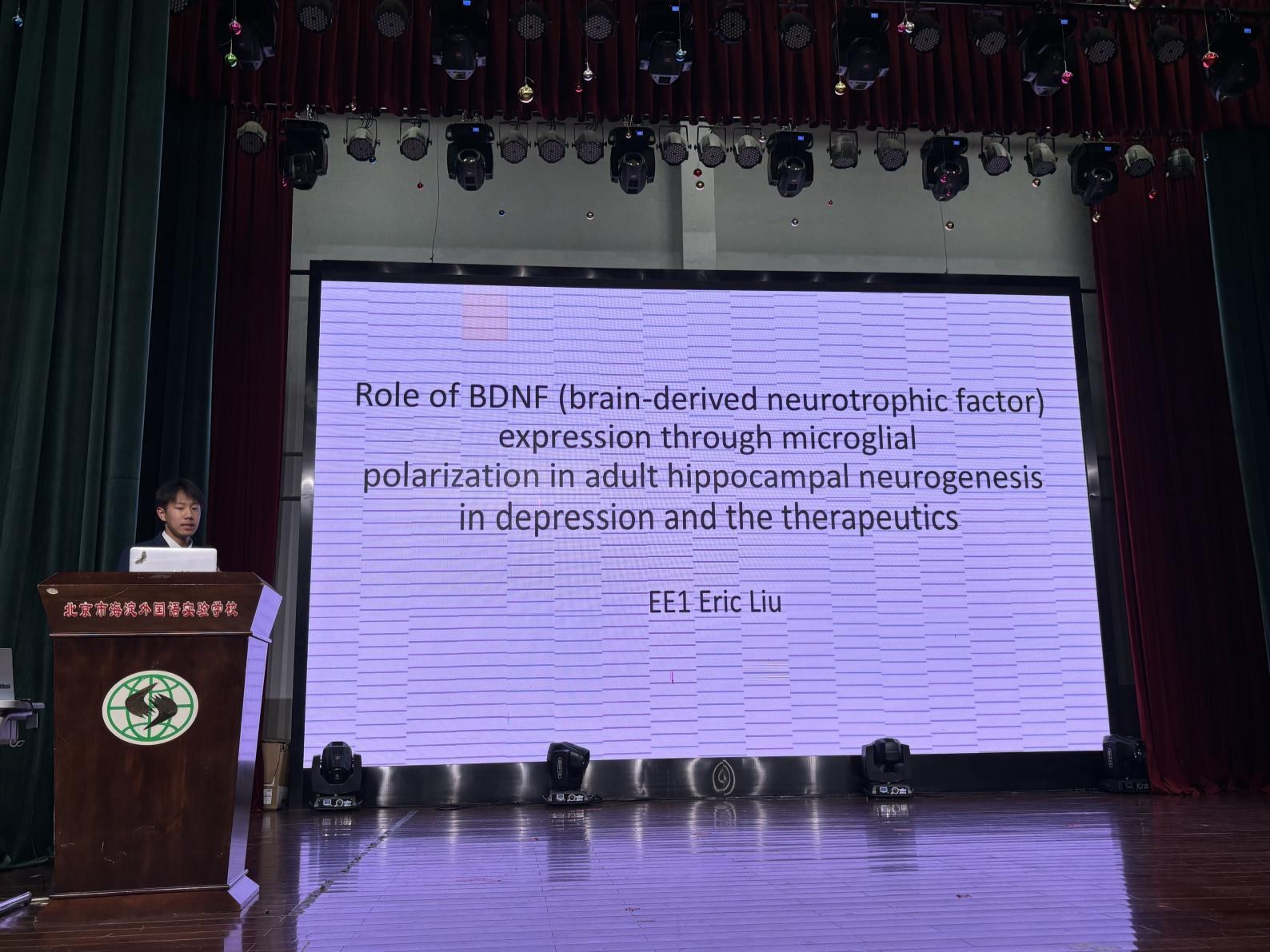
His PBL project explores the neural mechanisms underlying depression. It reviews pathways by which microglial polarization regulates the expression of BDNF (brain-derived neurotrophic factor), which in turn affects adult hippocampal neurogenesis. The study analyzes the role of this mechanism in the pathogenesis and treatment of depression, and conducts a literature review to discuss potential therapeutic targets and intervention strategies for depression.
Changxuan Li
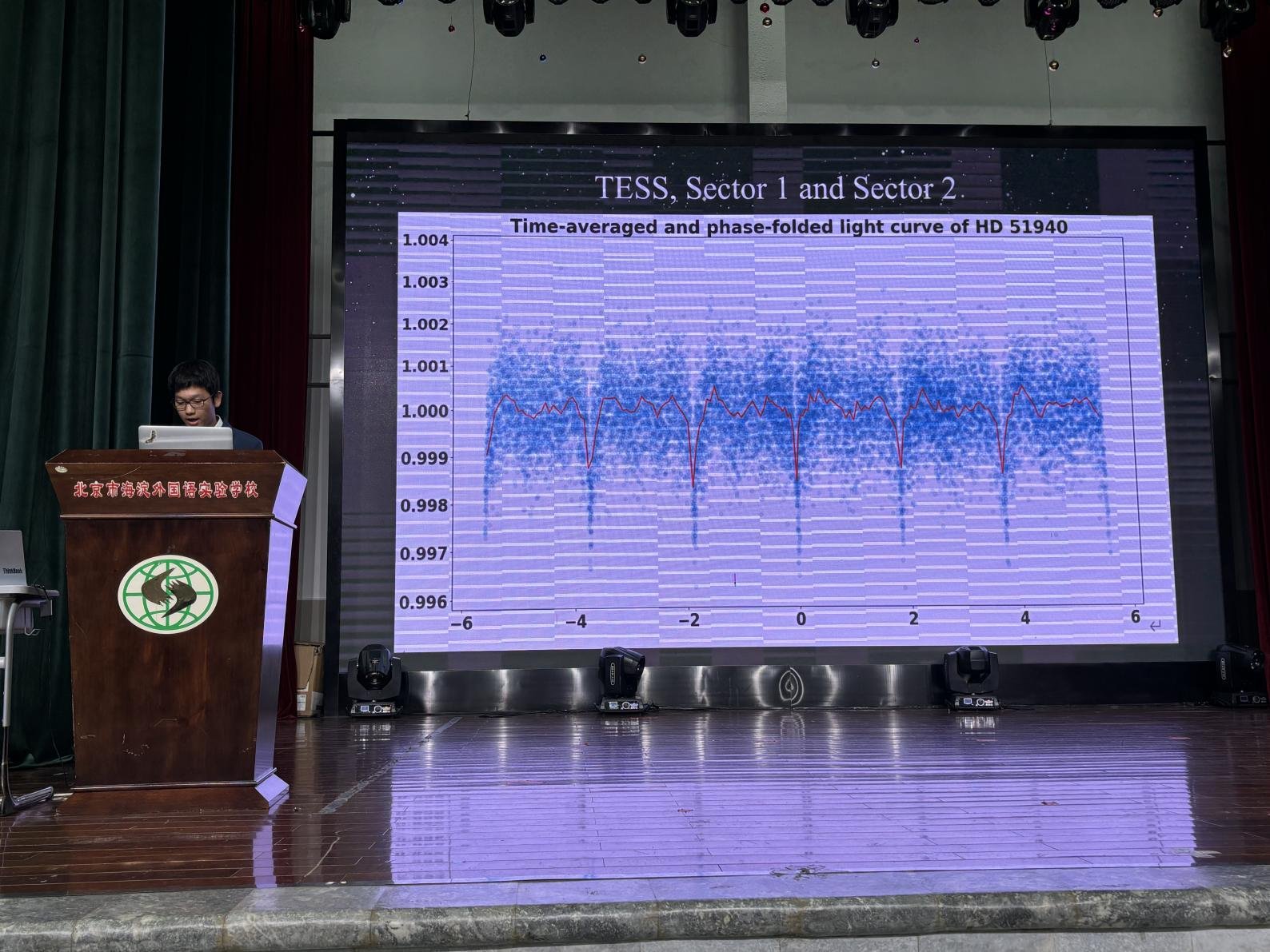
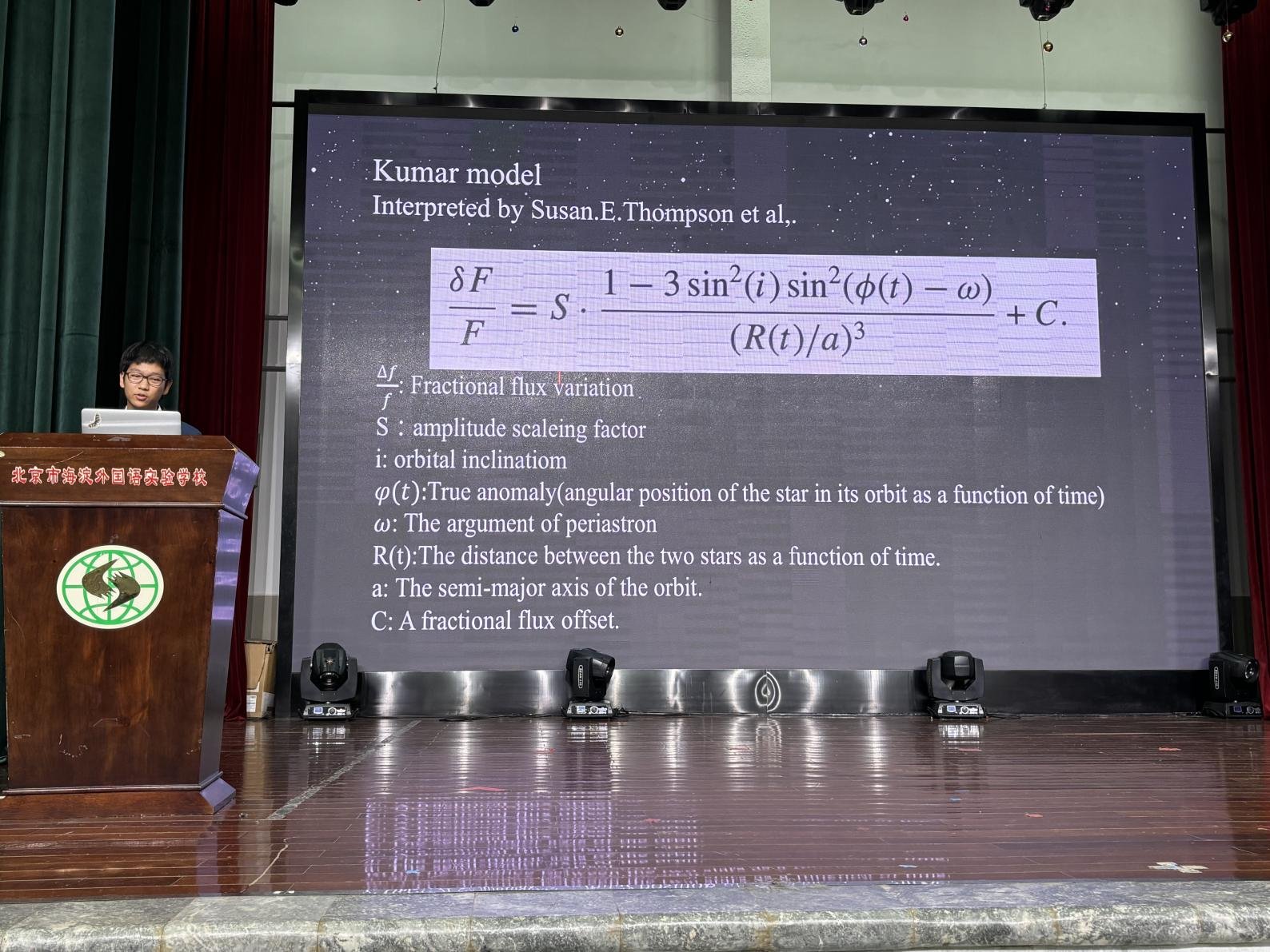
Changxuan is passionate about astronomy. His project focuses on the binary star HD 51940. Using photometric data from the TESS space telescope, he processed and folded the target star’s light curve. He fitted and analyzed relative flux variations of the binary system with the Kumar model, investigating how orbital parameters such as orbital inclination, argument of periastron, and stellar separation affect stellar brightness changes, to understand the photometric mechanisms arising from binary interactions.