Spring Voices: The Road to the Golden Hall

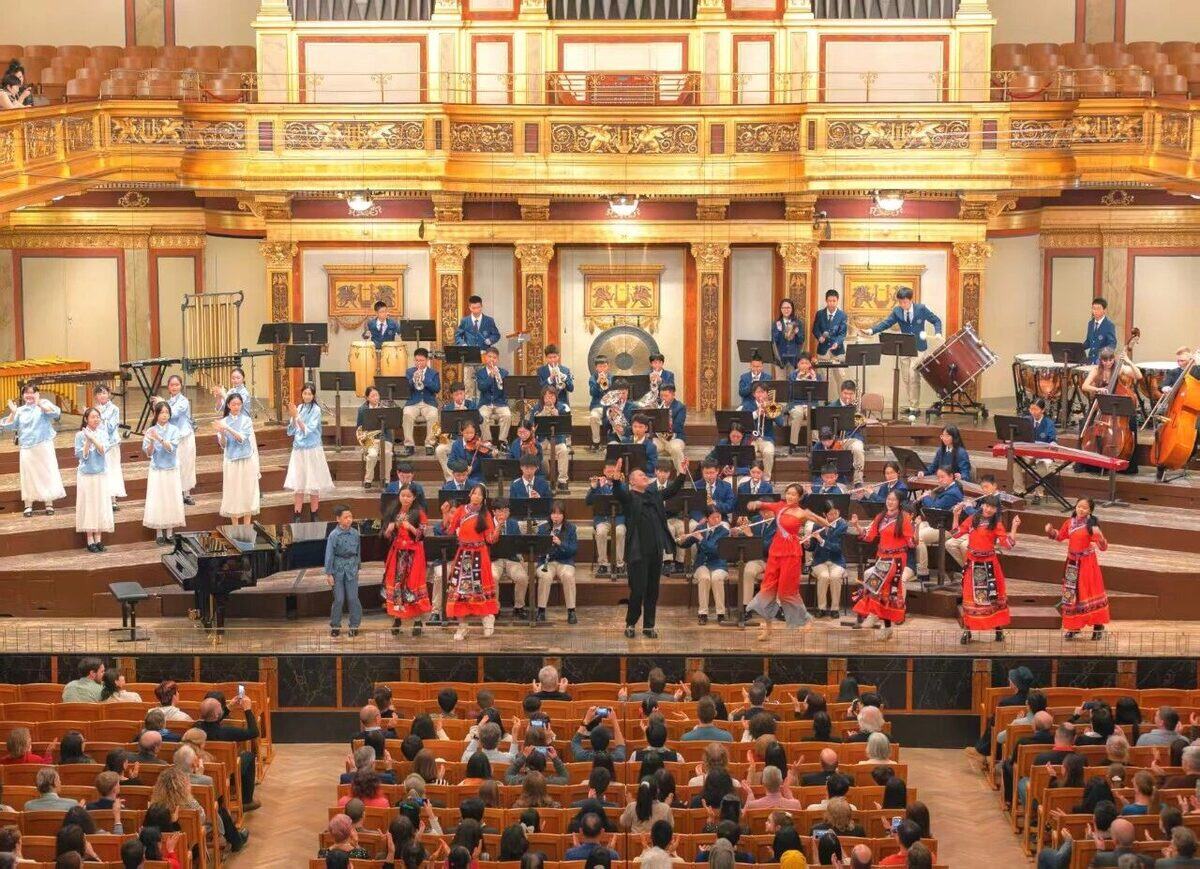
The hall opened in 1870 and is lined with gilt. The students walked in during the afternoon sound check, stood in the empty seats and looked up. Then they did what they had been trained to do: found their places, tuned, and waited for the conductor.
In spring the middle school arts troupe travelled from Beijing to Europe for the twelfth International Youth Arts Festival, a programme that moved through Switzerland, Germany, Austria and Hungary. The final concert was at the Musikverein in Vienna — the Golden Hall — where the orchestra played Mountain Fantasies by the composer Wang Hesheng. The applause went on long enough that the conductor had to turn around twice.
The piece is built from Chinese melodic material and scored for a Western orchestra, which is exactly the argument the troupe had come to make. The line the arts staff repeat most often is simpler: when language falls silent, notes and steps speak for us. It sounds like a line from a brochure until you watch a German school orchestra sight-read the same phrase in a gymnasium in Munich.
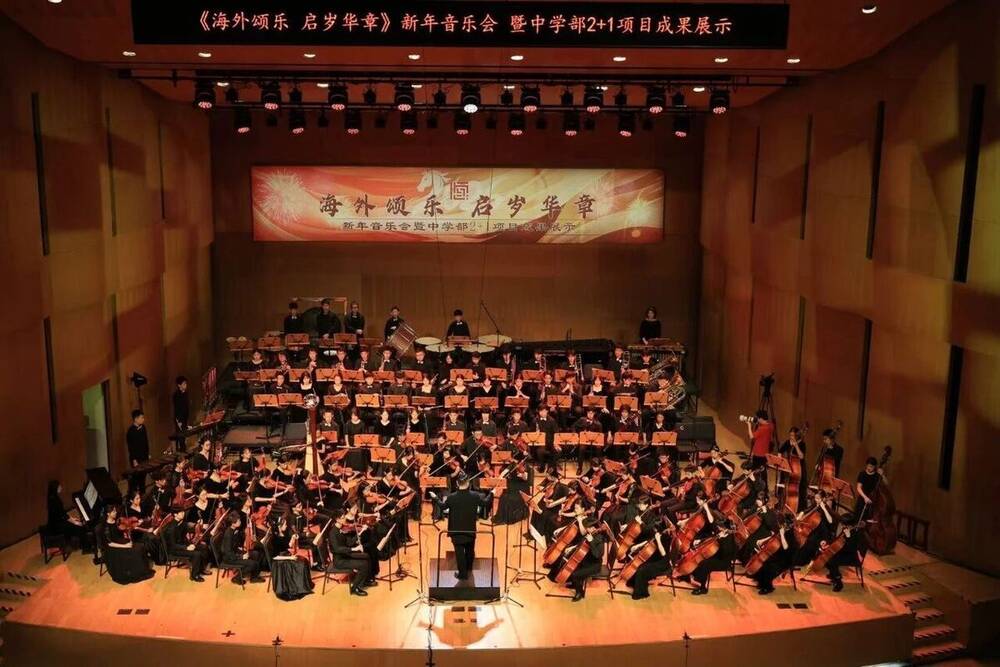
HFLA’s music programme is not one ensemble but five: a wind band, a symphony orchestra, a Chinese orchestra, a marching band and a marching percussion section. They rehearse on a professional model — sectionals, seating auditions, a published calendar — and they perform often enough that a stage is no longer an event. In the last two years the wind band and orchestra both took double golds at the Beijing student instrumental festival, and the marching percussion section won its category at the WGI China event, gold at the MAC marching arts competition, and three consecutive Beijing titles.
The school song, We Set Sail, was written by the group’s chairman, Li Jian, and arranged by Wang Hesheng, a composer who spent his career writing ceremonial music for state occasions. He has since written a new work for the school, Galloping Steeds, for the Year of the Horse — a commission built on the old proverb about the horse that covers ten steps in one leap versus the nag that arrives through persistence. It has not been premiered yet.
The tour was designed as a course, not a victory lap. In Zurich the students walked the Bahnhofstrasse, visited ETH Zurich and stood in the Grossmünster, where the Romanesque towers are older than any building they had studied. In Lucerne they looked across the lake at the snow on Pilatus. At Neuschwanstein, the dance students improvised in front of the castle and then asked the obvious question: why does a building become a source of images for people who make things?
In Munich they spent a day at a Gymnasium, split by discipline. The drama, recitation and dance students performed a musical theatre sequence with their German counterparts; the art students drew at the same tables as students their own age and found, quickly, that colour and line do not need translation. In the evening the two school orchestras played a joint concert.
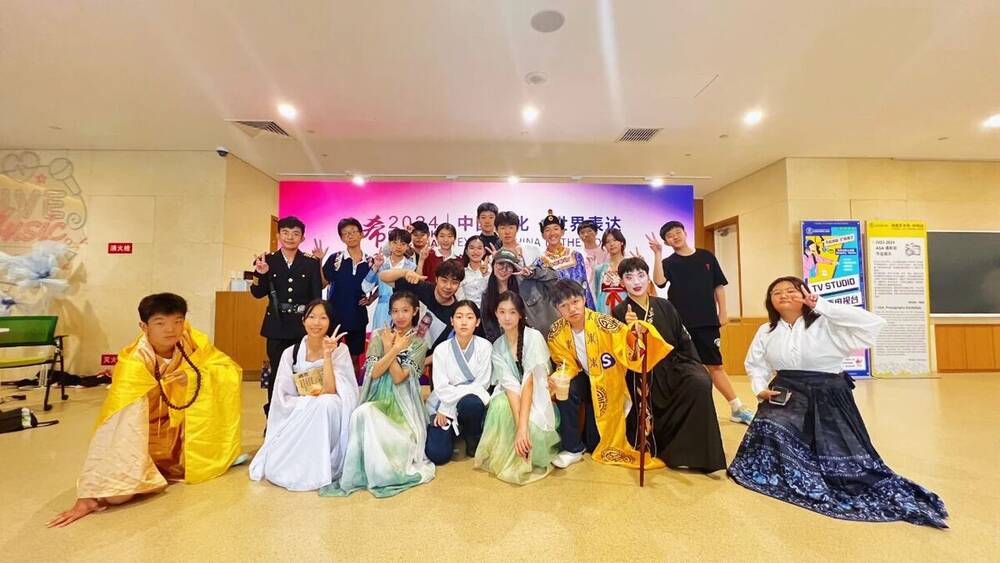
The masterclasses were the part the students talked about afterwards. Wind players worked on breath and phrasing, one bar at a time, with a professional who stopped them constantly. The theatre students worked on text, physical tension and the internal life of a character. Art students were taken through a Vienna gallery and asked to look at paintings the way they had been taught to look at scores.
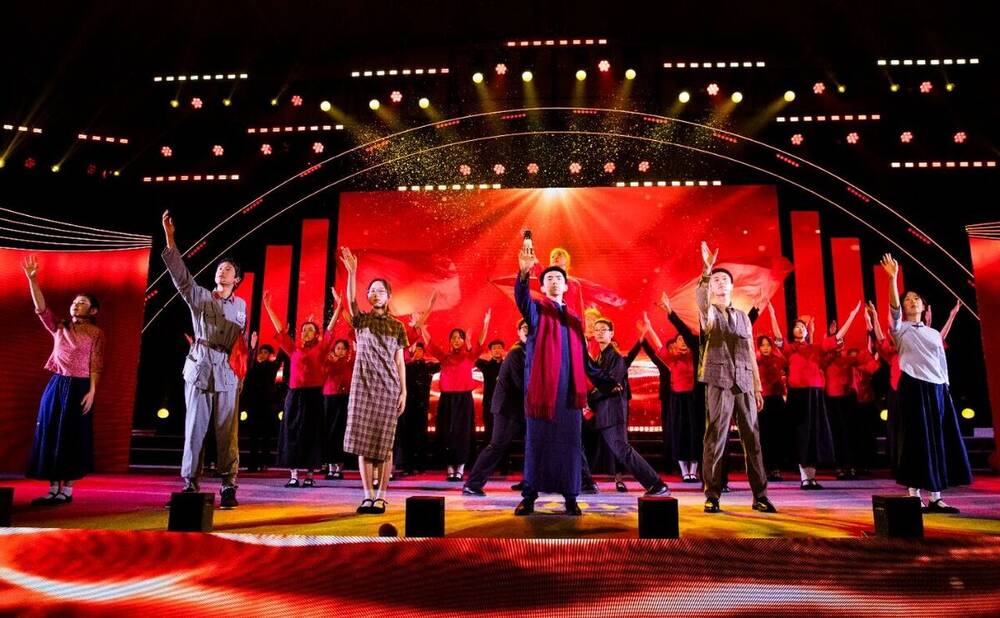
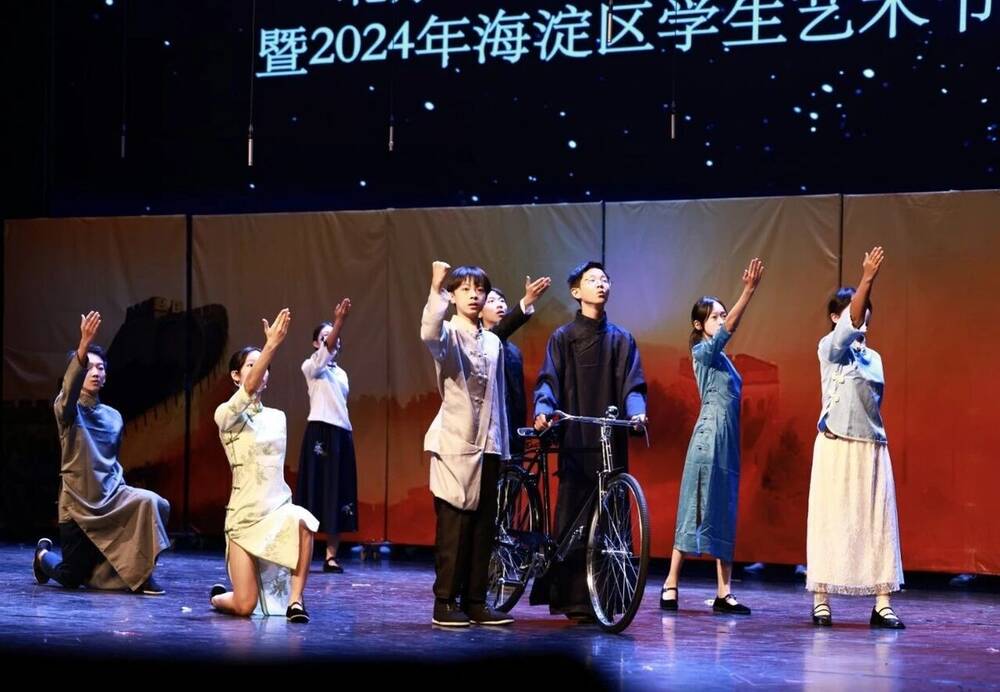
The school has been building towards this for years. In 2024 its ensembles played the National Centre for the Performing Arts for the school’s twenty-fifth anniversary, and the orchestra was selected for the national student arts exhibition, recorded at Tsinghua. The dance company took an A grade at the World Youth Arts Festival in Vienna. The recitation club won gold with The Oath of the Land, the theatre club won a Beijing gold and a national silver with Escape from the British Museum, and the choir took gold at a national youth festival.
What the tour changed was scale. A student who has played a school hall can guess how a phrase will behave; a student who has played the Musikverein knows that the room itself is an instrument, and that a rest can be heard. They came back with a commission to premiere, a festival invitation to answer and, in the photographs, the particular expression of teenagers who have just discovered that the thing they practise in a basement on Tuesday afternoons can fill a hall in another country.