From "I Don't Dare" to "I Will Try": Yan Jixin's Long Way Out

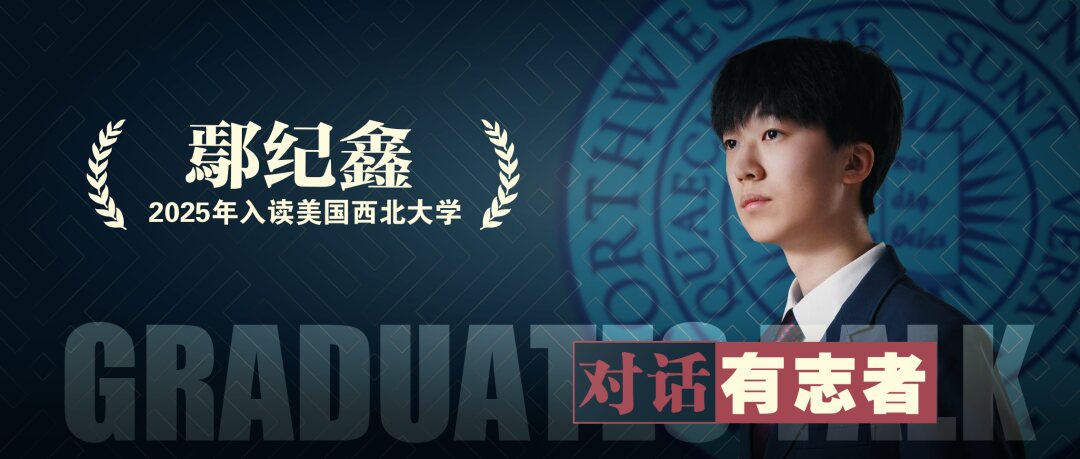
Yan Jixin has been on this campus longer than most of the people who teach him. He was one of the first children in the school's kindergarten and stayed for thirteen years — primary, middle school, then the 2+4 international stream — so the map in his head includes buildings that have since been rebuilt.
In person he is reserved before he is warm. Strangers get the polite version; a few minutes later the grin arrives, and it does not leave. He is hard on himself when a target is in reach and entirely loose when it is not: cats, food, a full-court basketball game, whichever is closest.
This spring he chose Northwestern University, where he will study data science — the work of putting very large datasets into order and using algorithms to find patterns the eye cannot see.
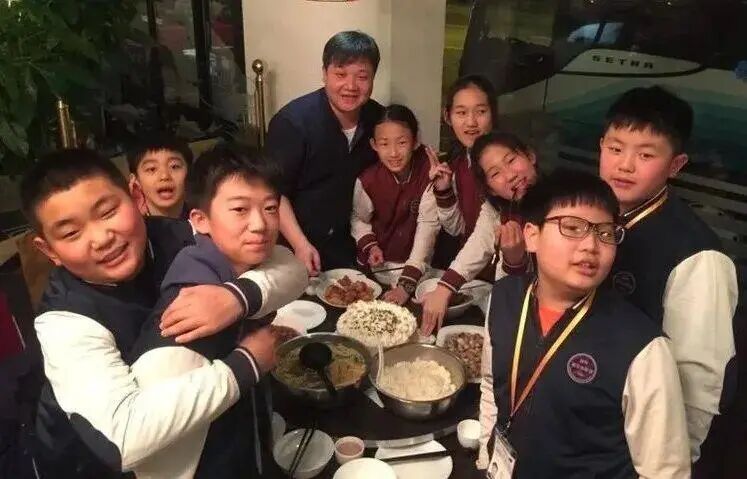
Thirteen years. What does that make you?
It puts me among the originals — I was in the school's first kindergarten class. Almost everything I know about being in a group I learned here, and the teachers who taught me in primary school still say hello in the corridor.
What were the offers?
Northwestern, Michigan, USC, Virginia, Illinois at Urbana-Champaign, Santa Barbara, Irvine and Davis. In the end it came down to fit more than ranking: Northwestern's data science programme sits where statistics, computing and the social sciences meet, which is exactly the shape of my interests.
What do you remember about your first day?
Not the day itself — kindergarten. I remember that I wanted to be the first child in the class to hand in my homework, so I refused to go to the toilet, and then I wet myself. That is the whole memory. I have been told it is charming.
Two teachers you still think about?
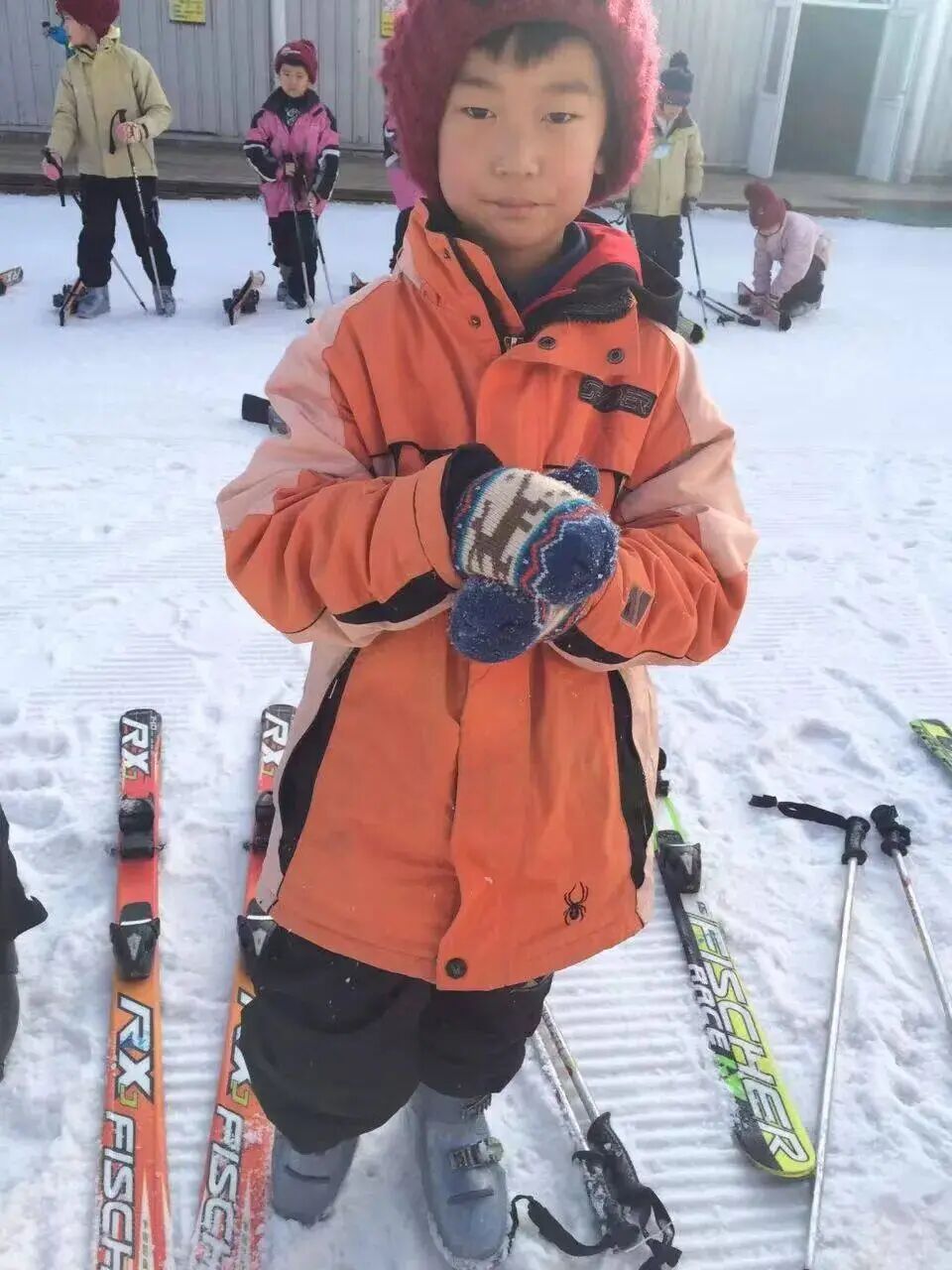
Ms. Yuan, who taught me maths in primary school. She was endlessly patient and she built the foundation I have been standing on since. And Ms. Gao Pei, who taught me through middle and high school: meticulous, and she reminded us of everything twice, which at the time felt excessive and now feels like a service.
The habit you took from a teacher?
Put things back where they belong. It sounds small. It is the reason I have never lost a notebook in thirteen years, and it generalises: everything has a place, including the things you have not finished yet.
Which club mattered most?
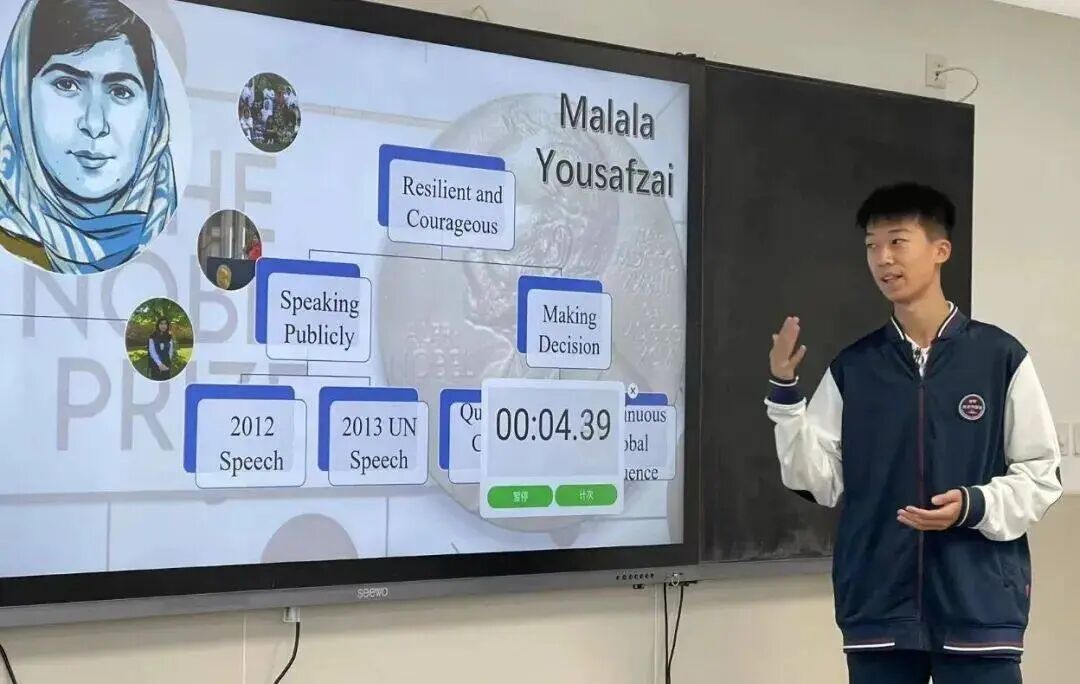
VOH, the campus television station I started, and the grade basketball tournament I organised. Those were the first times I had to make something happen for other people rather than for myself. Leadership is a grand word for it; what it actually felt like was a long list of small problems that nobody else was going to solve.
What was hard about applying?
The direction kept moving. I would settle on a field, then doubt it, then find the essay material that only worked for the other version. Our counsellors were patient with this: we went back to the beginning, re-outlined the whole file, and found the thread that was actually mine. After that it got easier, and the interviews were almost enjoyable — InitialView asked about the subject I love, and the alumni interview at Penn turned into a forty-minute conversation about basketball.
And what was hard about growing up?
My family could not help me with school, so most decisions had nobody to consult. I had to work them out alone, and I am the type who thinks a thing through four times before starting — which is not the same as going all in. That is the honest answer: I had to learn to stop hedging. The title of this piece is about that.
Your method in one line?
Preview, listen, review. Everything else is time management.
Advice for the students behind you?
Plan early, finish the tests early, and know what you are aiming at. When you choose a university, look past the name: the department, its resources, the projects you could join, whether there is a professor working on what interests you, and where the school actually sits. I applied for sports analytics and sports management at Rice and Michigan precisely because those departments and cities offered internships you cannot get elsewhere.

His record is unusually wide for a data science applicant: the highest individual gold at the 2023 International Economics Olympiad, a national gold at the China Economics Challenge, a silver at the 2024 International Psychology Olympiad, and merit awards at the International Linguistics Olympiad. The thread, he says, is the same one that runs through the datasets — a refusal to accept that people are simpler than they look.