A Duke Story: Zhou Zhuoyi Learns to Listen in the Field


Zhou Zhuoyi describes herself, without embarrassment, as someone with three-minute passions. Most of her interests arrive quickly and leave the same way; things bought on impulse sit on a shelf gathering dust; ideas burn for an afternoon and go out. She has decided to think of this as a feature. It is, she says, the reason she can start anything at all.
It is also, more or less, the reason she is going to Duke University. The books she picked up on impulse took her to a mountain in western Tibet; a short film she liked turned into nights spent learning camera work; a television drama about programmers made her teach herself to code. None of those detours produced a result anyone could put on a form. Together they produced a field of study.
You call yourself a three-minute person. Is that an insult or a compliment?
Both, and I have stopped arguing with it. My interests come fast and go fast, and for a long time I thought that meant I was unserious. Then I noticed that the detours had left something behind: the habit of beginning, and a fairly accurate sense of what I actually care about. I am not a travel photographer and I am certainly not a programmer. But the time I spent pretending to be both is the reason I know what I am.
How did anthropology find you, of all things?
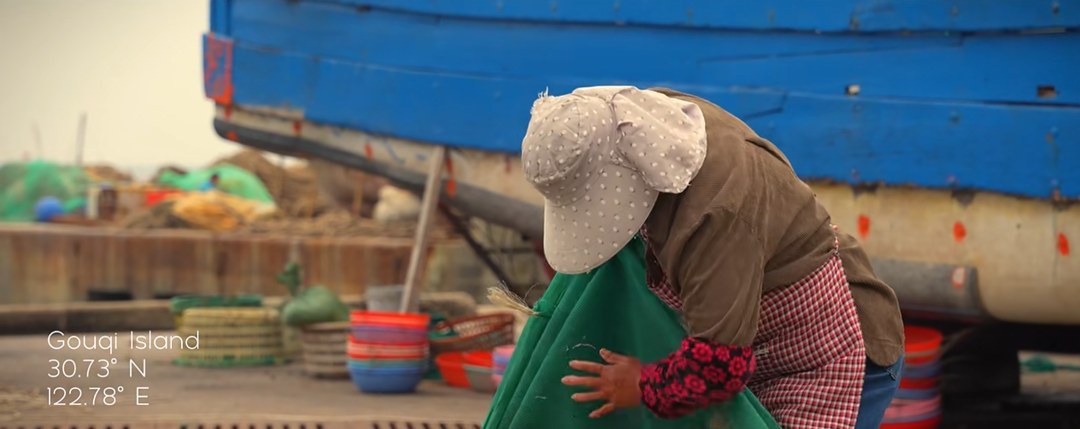
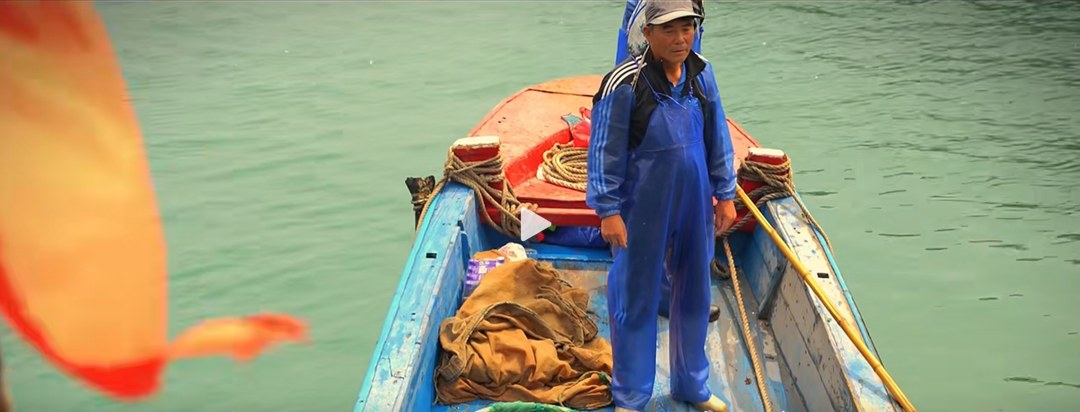
I grew up by the sea, and fishermen were part of my childhood — the boats, the smell, the hours they keep. Then, in a classroom, I met the academic version of that world: marine pollution, mechanised fishing, coastal economies. The school gave me the room to take the two things seriously: supervision for fieldwork, teachers who would argue with my conclusions, and permission to go and look. So I went to an island and tried to record the lives of people who are quietly disappearing from the public view.
And it did not work.
It did not. I had five days and a vocabulary, and I used the vocabulary. I defined their days with elegant academic terms and assumed I understood a culture because I had read about it. Then I wrote a line in my notes that I still find uncomfortable to read: I dressed their lives in scholarship and never actually came near them.
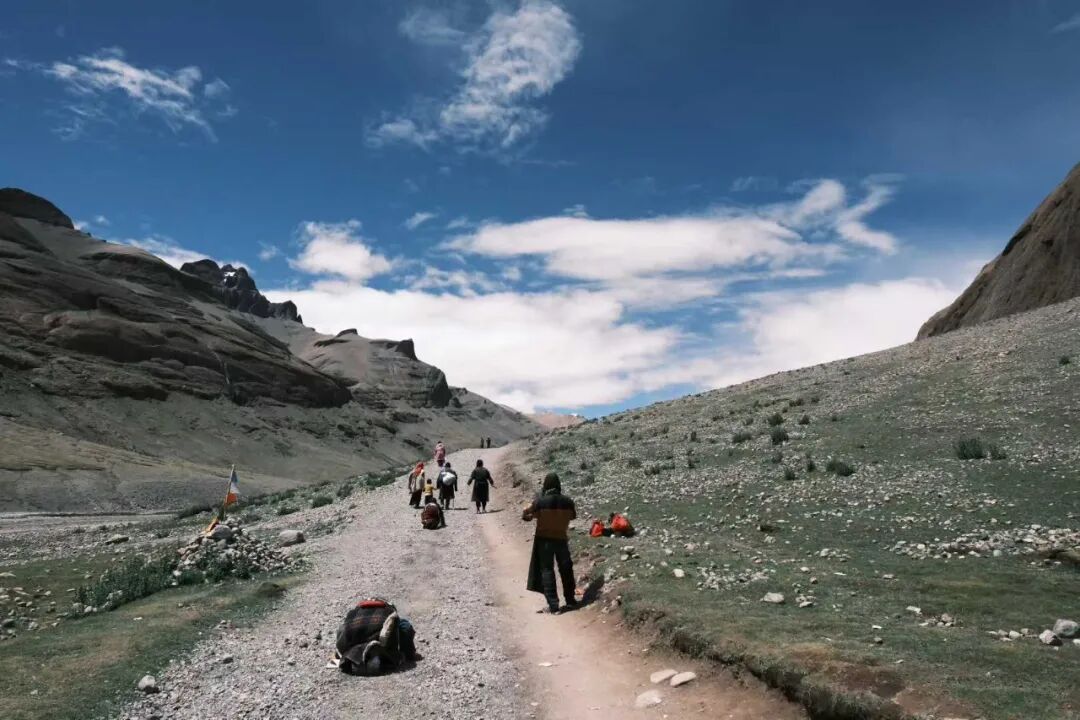
Tibet made the same point harder.
I went with a romantic picture, the kind you get from books. Standing inside the actual rituals and ordinary days, I saw how thin my picture was. The questions arrived and would not leave: when I press the shutter, am I recording honestly, or am I collecting someone else's culture for my own interest? When I am surprised by something, is there a quiet condescension underneath the surprise? I had read an anthropologist's memoir about arriving full of enthusiasm and finding that everything learned in a classroom weighs about as much as a sheet of paper next to actual people. I understood the sentence only after I had lived it.
"I dressed their lives in scholarship and never actually came near them."
So what changed?
I noticed how easily a society consumes the people it studies — takes their voice, keeps the story, calls it understanding. So I started trying to put the labels down: to use several media instead of one, to let complexity stay complex, and to listen on level ground rather than from above. That is slower and much less impressive, and it is the only version of the work I want to do.
What did the school and your family actually do for you?
They took the impulses seriously. The school accepted every sudden enthusiasm and found me a teacher for it; those teachers corrected my thinking rather than my conclusions, which is a harder and more useful thing. My classmates argued with me until I could defend a sentence. And my family backed me without asking what the return would be. Being allowed to fail that publicly, and then to try again, is the whole of my education.
What would you tell someone your age?
Do not be afraid of wasting time, and do not insist that everything produce a result. Try the thing, be wrong in public, and keep a record of what you actually felt rather than what you are supposed to say. Be an innocent anthropologist of your own life: curious, a bit reckless, and honest about how little you know.
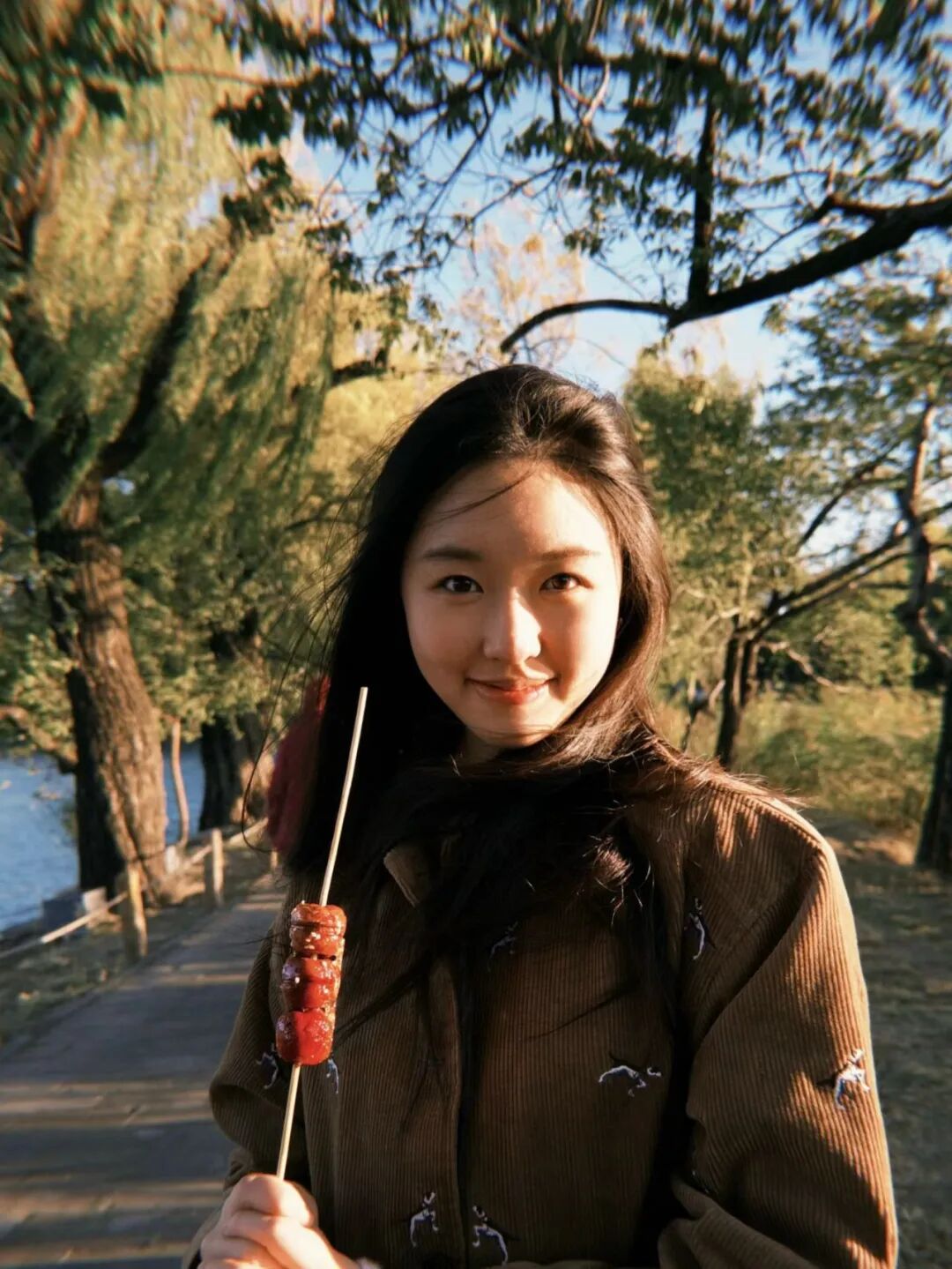
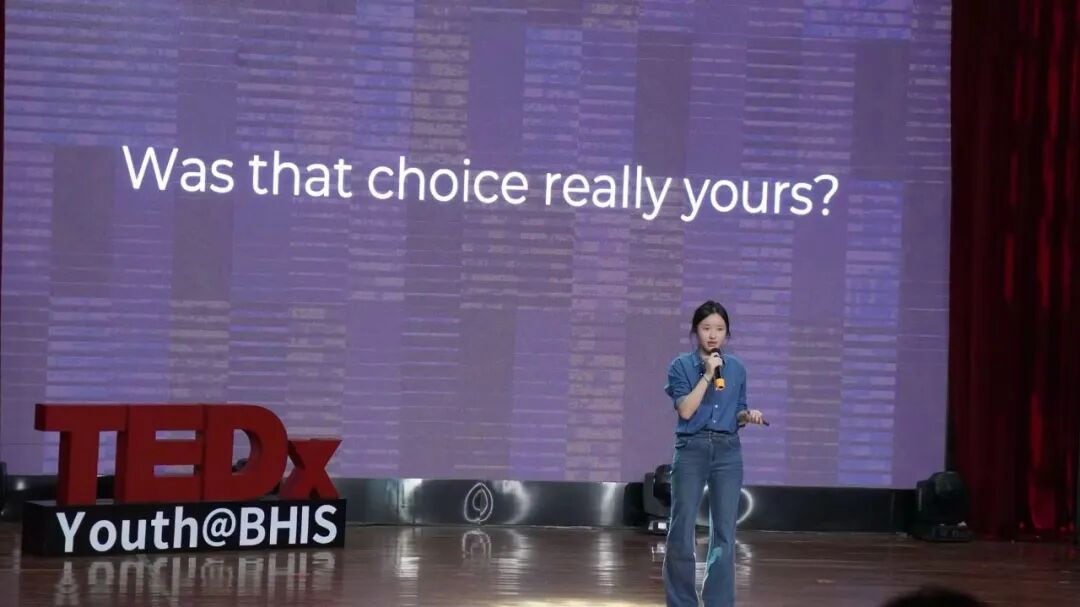
Twelve years, one long runway, and a destination that would have surprised the girl who once bought a camera on a whim: Duke, where she will study cultural anthropology. She has also acted in a school production of Journey to the West, photographed more school events than anyone has counted, and given a TEDx talk that ended with a question rather than an answer. The question was whether the choices we make are really ours. She is going somewhere to find out.