
The Long Rally: How a Campus Programme Built a Tour Player
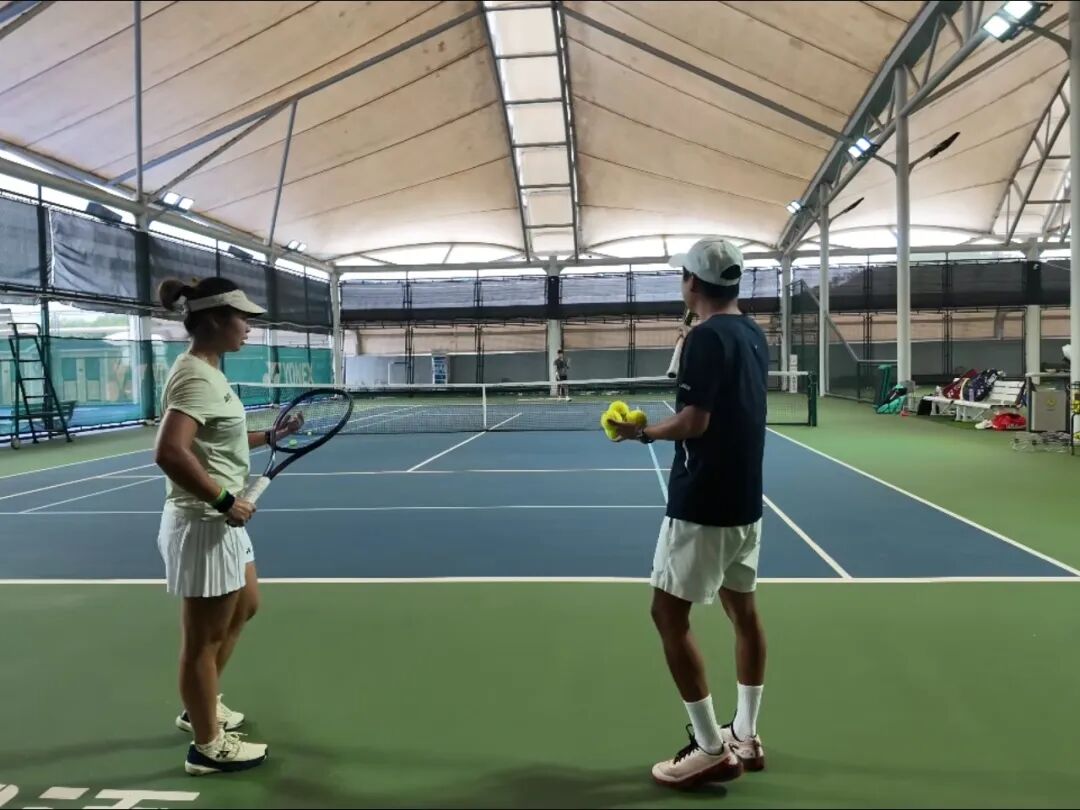
On 12 October, on the hard courts at Wuhan’s Optics Valley tennis centre, Shi Han lost the first set of her first-round match at the Wuhan Open. Then she won seven games in a row.
She is 21. Her opponent that afternoon was ranked nineteenth in the world. From 3-3 in the second set, Shi Han kept the ball deep, extended the rallies and waited for the errors that follow a long point; she took the set 6-3 and the match with it. A week later, in Beijing, she played Zheng Qinwen in the first round of the China Open, lost, and still took the match to a deciding set.
Read as a pair, the two weeks look like a breakthrough. Read from inside the programme that produced her, they look more like a receipt.
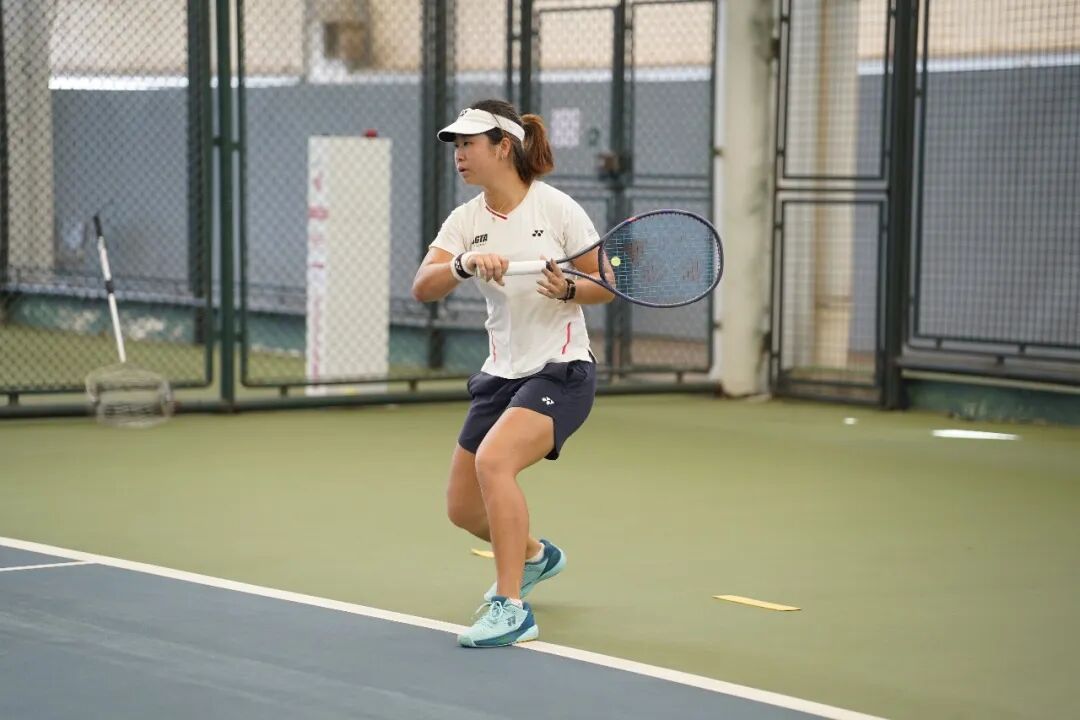
Shi Han joined the tennis platform at the school’s Hainan campus in 2024 as a full-time player, trained jointly by the school and the Beijing provincial team. The arrangement is unusual, and deliberately so: a player keeps her provincial registration and her coaching relationships, and gains a campus with courts, a fitness hall, a rehabilitation room and a timetable built around her.
She had been to Hainan before she moved there, and the reason she gives for staying is practical. “The weather and the courts suit the way I have to compete,” she said. “We play in the heat a lot, so I can adapt here. The courts are not fast and not slow. They are close to what I meet at tournaments.”
Comfortable is not the same as easy. Her game is built on the parts of tennis that do not photograph well: movement, defence, and the patience to keep a rally alive until the other player blinks. “I am not tall,” she said. “If I try to hit through people it costs me. So we train movement. Get faster, lift the tempo, take time away from the ball. When they attack, I defend, and I look for the chance inside the rally.”
At Wuhan the method was visible in the scoreline: seven consecutive games, most of them long.
The coaching is individual by design. Technical, physical and medical staff write a plan for each player and revise it week by week. The head coach, Chang Yu, a former national team player, has taken players from the junior circuit to the WTA top 200. “They look at the calendar and at me, and we decide what the next block is for,” Shi Han said. “In a match they do not only talk about technique. They tell me how to change my head, how to find my rhythm again.”
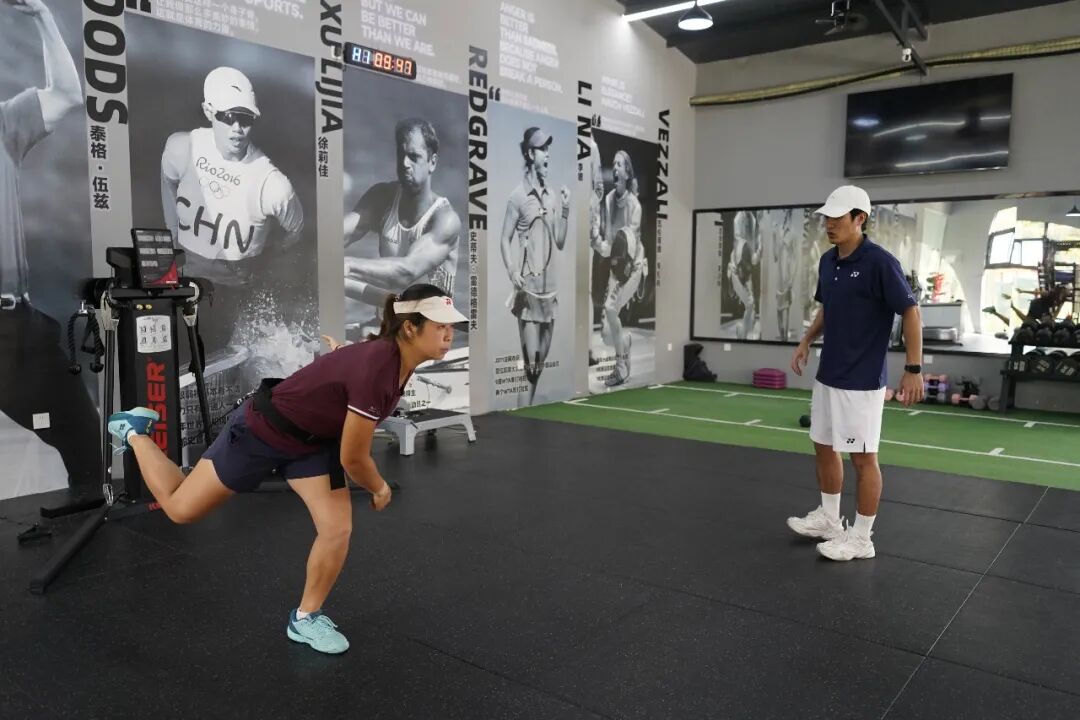
That integration is the point of the platform. A player of Shi Han’s age trains technical skill, physical capacity and recovery in the same building, on the same schedule, watched by the same people. Around twenty juniors from across the country are on full-time programmes in Hainan, alongside students climbing the school’s own ladder: interest groups in kindergarten and primary, a dual-excellence stream at ten lessons a week, and an elite stream at fifteen hours plus rehabilitation and admissions planning.
Academic support runs in parallel, with tracking, one-to-one catch-up after tournaments and online courses for the weeks when a player is away. The exit routes are named openly: domestic single-recruitment places, and the NCAA pathway, where the programme’s record includes players on Division I rosters.
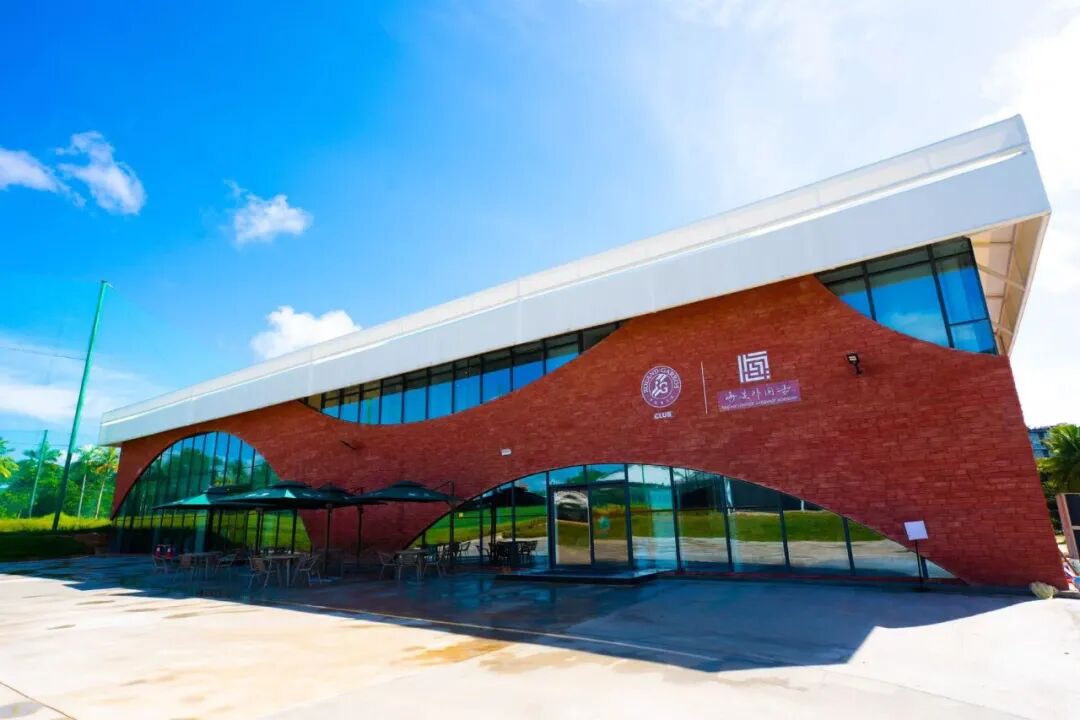
The facilities explain why provincial teams agreed to the partnership. Six clay courts certified by Roland-Garros, ten hard courts, two Australian Open-style courts with more under construction, and the first Roland-Garros clay centre on a school campus in China. The Asian Tennis Federation audited the programme and made it the country’s first ATF Gold-certified tennis academy.
At the National Games last autumn, players from the Hainan programme representing several provinces came home with five medals in the youth events, including the women’s team gold. The school’s teams have since won national titles in the men’s, women’s and youth team championships.
None of that is what her coaches talked about after Wuhan. What they talked about was the second set: the decision, at 3-3, to stop trying to win the point and start trying to win the rally. “That is the training,” one of them said. “The scoreboard was just the first time anyone outside the programme saw it.”