
Hi, Word. Hi, World.: The Vocabulary Device Comes to Class

Vocabulary is the least glamorous part of language teaching and the hardest to manage. A teacher sets a list, the class copies it out, someone dictates it on Friday, and by the following Tuesday a third of it has evaporated. Whether a student actually learned anything is usually a guess dressed up as a score.
That gap is what a new campus pilot is trying to close. Haidian Foreign Language Academy has partnered with Baicizhan, the company behind one of the country’s most used vocabulary apps, on a programme launched this month under a deliberately literary title: from the word to the world, from the small to the deep. The hardware is a pocket-sized word machine. The interesting part is the data behind it.
“How do you know you have actually remembered it?”
The launch opened with that question from Hou Yang, a student who helped build the platform the pilot runs on. It is a better question than it looks. A student can recognise a word on a page and still fail to produce it in a sentence; they can pass a dictation and lose the word a month later. Recognition, recall and use are three different achievements, and a paper list conflates all three.
The school’s answer is to make the process visible. Smart-campus projects are already running across the campus, most of them aimed at taking administrative weight off teachers and students alike. Vocabulary is the next candidate, because it is the highest-frequency, lowest-visibility part of English learning.
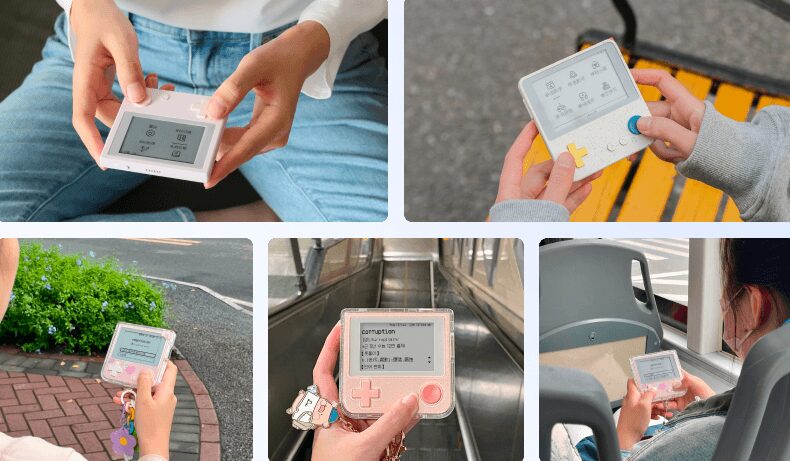
What the machine actually does
The word machine launched in 2022 after fifteen years of app development and more than 250 million registered users. It runs spaced-repetition schedules tuned to the national textbook lists, and it hands out a virtual puppy that survives on completed reviews — a mechanic that has proved unusually effective at getting teenagers to study for a dog. More than three million people now use one.
For the pilot, the company supplied devices to several classes and built a dashboard for the teachers. A student can see which words are weak, which keep being confused with a neighbour, which were recognised but never recalled. A teacher can see the same thing across a class and assign work accordingly instead of re-teaching what everybody already knows.
Several teachers at the launch admitted they had used the app when they were students themselves. Two generations of users in one staffroom is not a bad basis for a partnership, and it is probably why the device was adopted faster than most pilots are.
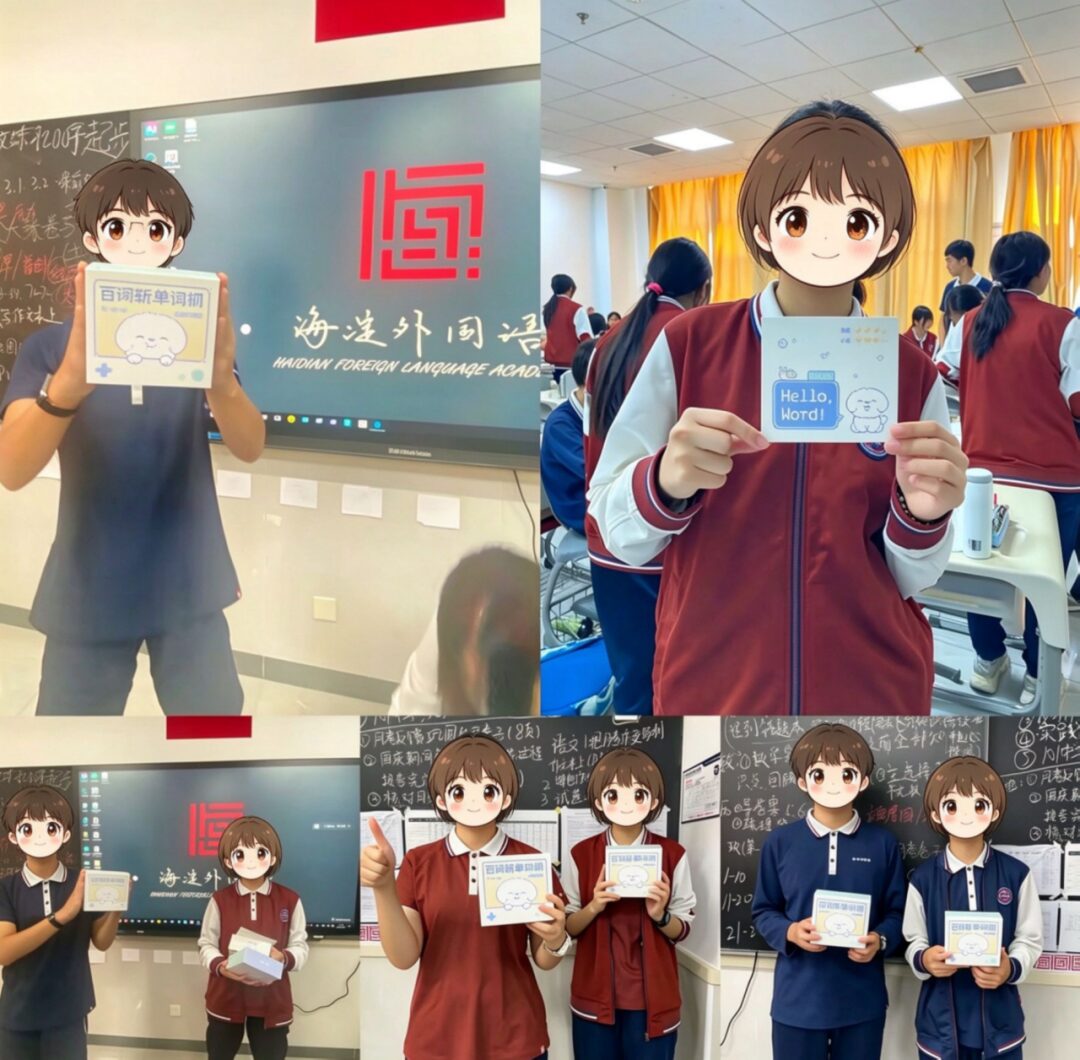
The surprise: they already had one
When the devices were handed out, the team found the market had got there first. One class turned out to contain nine students who had bought their own machine, some of them in middle school and still using it. That is a useful signal for a school considering a hardware programme: the demand was not manufactured by the pilot.
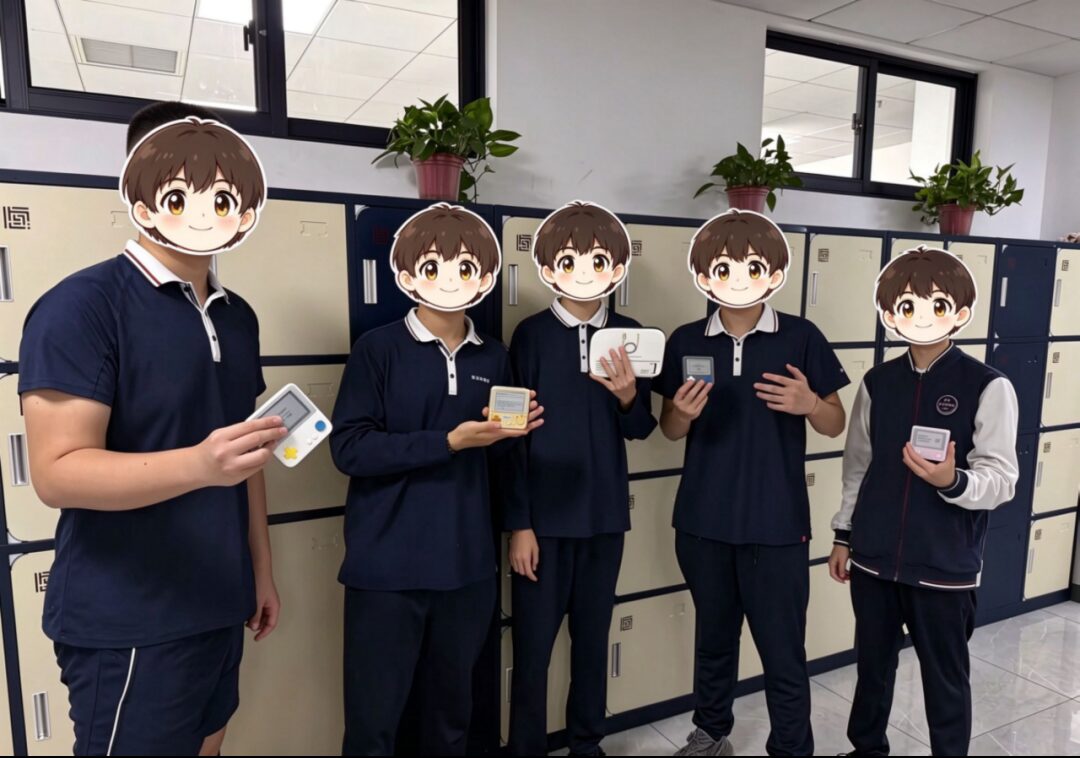
The measure of success will not be how many devices are on desks. It is whether the words stay. If a term ends with a class that can recall more of what it studied, and a teacher who can name the twenty words each student still trips over without setting a single test to find out, the pilot will have earned its place. The company has said it wants a hundred school partnerships within three years; this is the first serious test of whether the model survives contact with a real timetable.


The programme’s slogan makes the ambition plain: the word is a door, and the world is on the other side. What the pilot adds is the intermediate step nobody enjoys talking about — the part where you forget the same twelve words four days running, and a small machine refuses to let you pretend otherwise.